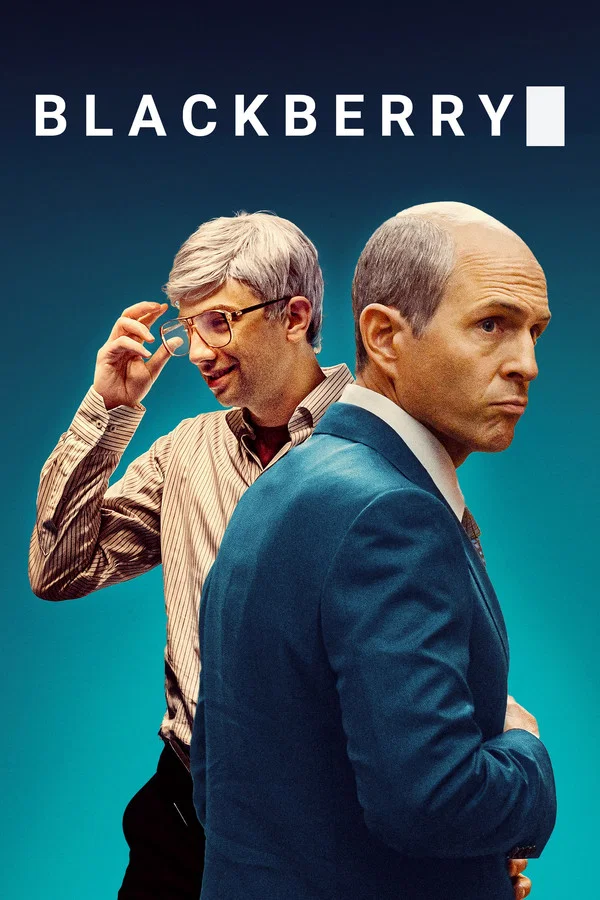
2023 • Jay Baruchel, Glenn Howerton
Summary
Blackberry tells the story of the dramatic rise and spectacular fall of the Canadian company that created the iconic smartphone and once dominated the mobile industry before collapsing in the face of competition from Apple and Android.
Dramatizations & Historical Liberties
1. Jim Balsillie’s ruthlessness
Balsillie is portrayed as an extremely ruthless, profane, and ethically questionable executive who drives much of the company’s downfall through aggressive and often unethical behavior. While he was ambitious and tough in business dealings, the film exaggerates his personality and methods to make him a clearer villain.
2. Conflict between Lazaridis and Balsillie
The film turns the tension between co-founders Mike Lazaridis and Balsillie into near-constant shouting matches and deep animosity. While real disagreements and frustration existed, their working relationship was more professional and collaborative for many years than the explosive hostility shown on screen.
3. Reasons for BlackBerry’s decline
The movie largely blames internal arrogance and Balsillie’s obsession with buying an NHL team. In reality, the decline resulted from a combination of missed opportunities on touchscreen technology, slow adaptation to the app ecosystem, poor strategic decisions on software, and overwhelming competition from Apple’s iPhone and Google’s Android platform.
4. Internal dysfunction
The film depicts the company as being in almost constant chaos during its later years. While serious problems existed, many of the portrayed internal conflicts, poor decision-making moments, and workplace drama are exaggerated or invented for dramatic effect.
Related