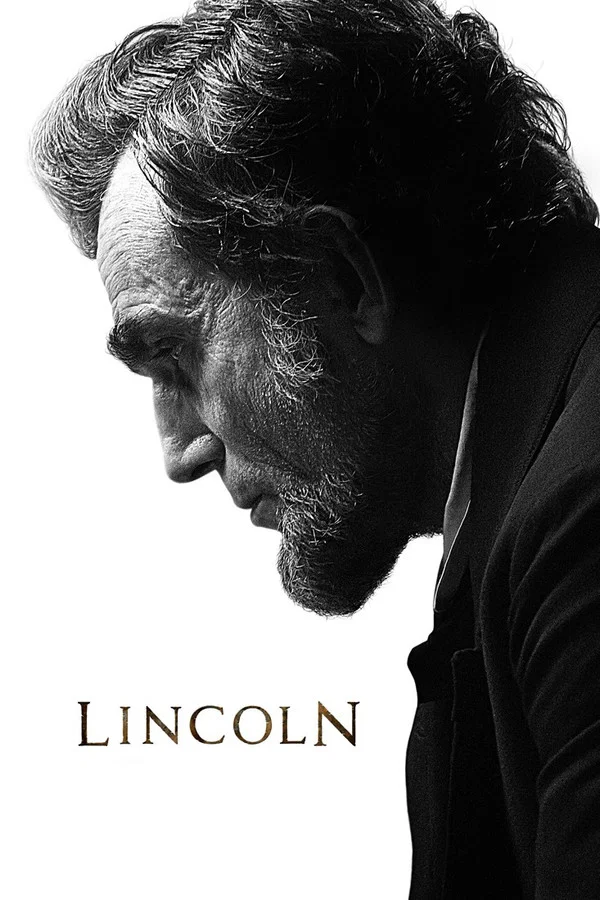
2012 • Daniel Day-Lewis, Sally Field
Summary
Lincoln focuses on the final four months of Abraham Lincoln’s life as he wages a fierce political battle to pass the 13th Amendment through a deeply divided House of Representatives in order to abolish slavery forever. The film follows Lincoln’s intense negotiations, strategic maneuvering, and personal struggles during this pivotal period.
Dramatizations & Historical Liberties
1. Private conversations and invented dialogues
Many one-on-one scenes with William Seward, Thaddeus Stevens, and other congressmen contain invented or heavily dramatized dialogue. While the overall strategy and horse-trading are accurate, specific wording and exchanges were created for dramatic tension and clarity.
2. Heightened political horse-trading and patronage deals
The film shows some lobbying efforts but significantly underplays the extensive use of patronage appointments, promises of government jobs, bribes, and other political payoffs that Lincoln’s team used to secure the crucial swing votes. In reality, the process was even more pragmatic, calculated, and morally ambiguous, involving intense backroom dealing and arm-twisting to pass the amendment.
3. Thaddeus Stevens’ fiery speeches and uncompromising stance
Stevens is portrayed delivering more dramatic, fiery radical speeches than he actually gave during key moments. The film simplifies the complex compromises, shifting alliances, and pragmatic negotiations that were necessary to secure the final votes for the 13th Amendment, making the legislative battle appear more straightforward and ideologically pure than it was in reality.
4. Lincoln’s family scenes and personal grief
The film heightens interactions with Mary Todd Lincoln and his sons for emotional depth and to humanize Lincoln. While Lincoln was deeply grieving the death of his son Willie and dealing with real marital strain, many of the specific conversations, emotional confrontations, and tender family moments shown were dramatized or invented.
5. The final House vote and celebration
The film dramatizes the intense chamber tension and the jubilant, emotional celebration immediately after the 13th Amendment’s passage. In reality, the vote was hard-fought and extremely tense, but the immediate aftermath in the House was more subdued, politically measured, and focused on procedural next steps rather than an outburst of triumphant cheering.
Related