2005 • Eric Bana, Daniel Craig
Summary
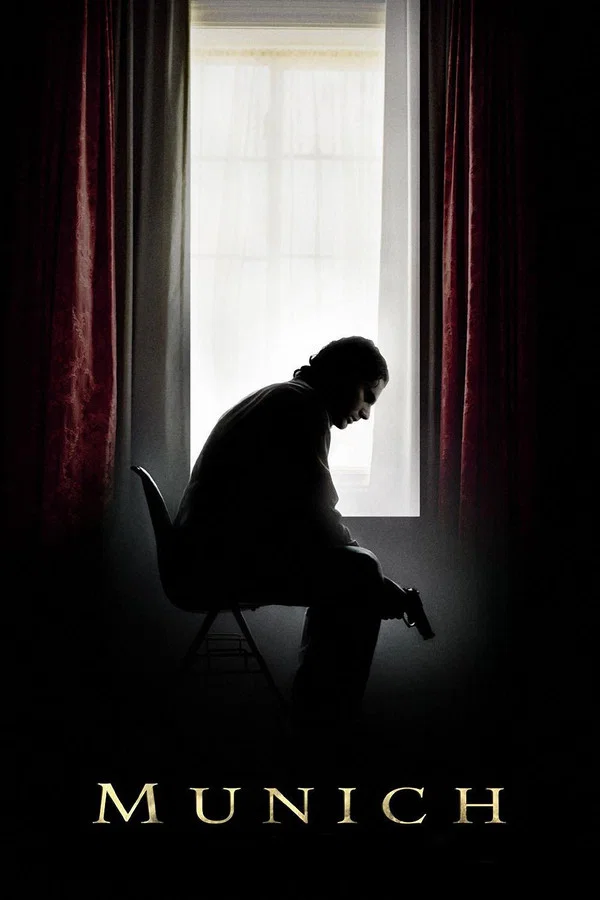
Munich follows Avner Kaufman (Eric Bana), a Mossad agent chosen by Golda Meir to lead a secret hit squad after the 1972 Munich Olympics massacre. As the team assassinates those responsible across Europe, the film explores the moral compromises and personal cost of fighting terror with terror.
Dramatizations & Historical Liberties
1. Structure and autonomy of the assassination team
The film depicts Avner’s five-man squad as operating with notable independence, improvisation, and limited oversight. In reality, Mossad operations during Operation Wrath of God (also known as Operation Bayonet) involved far stricter headquarters control, larger support networks, and more agents than the small core team shown.
2. Assassination methods and sequences
Many hit scenes — including bombings, shootings, and stakeouts — are dramatized. While the operations are based on real Mossad targets and missions, the exact methods, locations, sequence of events, and execution details were significantly altered or invented.
3. Avner’s personal psychological and moral descent
The film intensely portrays Avner’s growing guilt, nightmares, paranoia, and marital breakdown. These elements are heavily dramatized to explore themes of trauma and ethical erosion, though the real lead operative’s experiences remain largely classified.
4. Encounters and intelligence sources
Several key interactions — including meetings with informants, tense dialogues with targets, and the high-risk raid in Beirut — are composites or significantly embellished. The real Mossad operations involved complex planning, multiple agents, and often more cautious, bureaucratic processes than the streamlined, high-tension scenes shown in the film.
5. The ending and overarching moral perspective
The final scenes strongly emphasize moral ambiguity, futility of revenge, and the cycle of violence, reflecting Spielberg’s viewpoint. Historical accounts of the operation are more varied and less philosophically conclusive.
Related