2014 • David Oyelowo, Tom Wilkinson
Summary
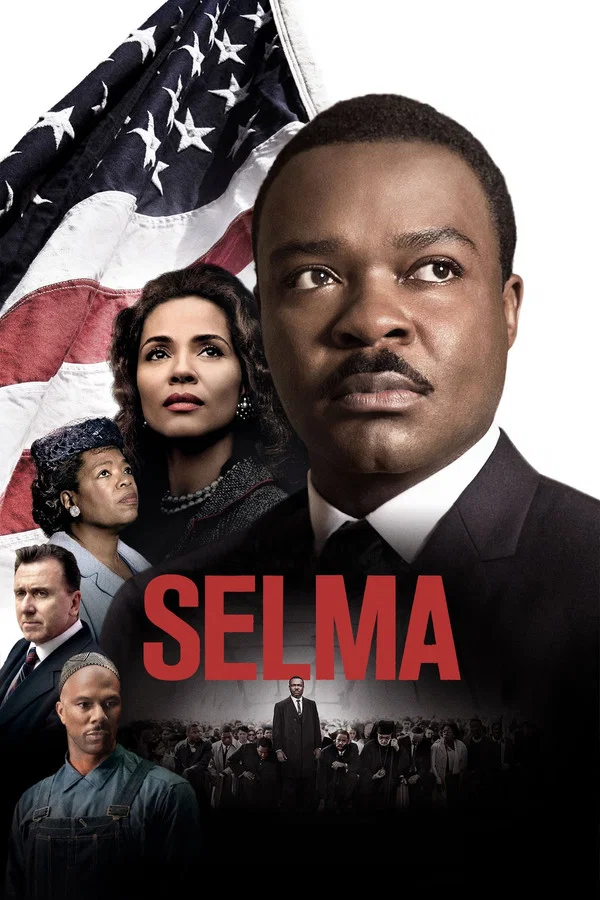
Selma chronicles Dr. Martin Luther King Jr. and the Southern Christian Leadership Conference’s pivotal 1965 voting rights campaign in Alabama, which culminated in the historic marches from Selma to Montgomery. The film depicts the brutal violence of Bloody Sunday, the courage of the marchers, and the national pressure that helped secure the Voting Rights Act.
Dramatizations & Historical Liberties
1. Portrayal of President Lyndon B. Johnson
The film depicts LBJ as more resistant, antagonistic, and politically obstructive in private meetings with King. In reality, while there were genuine strategic disagreements over timing, Johnson was a stronger behind-the-scenes ally and actively worked to pass the Voting Rights Act after Bloody Sunday.
2. Private conversations between King and LBJ
The movie includes several sharp, emotionally charged private meetings and phone calls between King and Johnson that were dramatized or invented. Their actual exchanges were more measured, politically nuanced, and often collaborative, rather than the tense, adversarial confrontations frequently shown on screen.
3. Timeline compression of the Selma campaign
The film condenses several months of planning, multiple failed attempts to march, and the complex buildup to Bloody Sunday into a much tighter and faster-paced narrative. In reality, the Selma voting rights campaign was a longer, more deliberate process involving extensive grassroots organizing, internal debates, and logistical challenges that the movie simplifies for dramatic momentum.
4. Internal tensions within the civil rights movement
The movie drama amplifies generational and tactical conflicts between King Jr.’s SCLC and the younger, more militant SNCC (led by figures like John Lewis). While real philosophical differences existed, the film heightens these disagreements into more frequent and dramatic clashes than the nuanced, ongoing discussions that actually took place among civil rights leaders.
5. Bloody Sunday and the bridge attack
The brutal attack by state troopers on peaceful marchers at the Edmund Pettus Bridge is powerfully recreated but includes heightened moments of chaos, individual brutality, and visual intensity. While the real event was horrific and unprovoked, the film slightly extends and dramatizes certain acts of violence to maximize emotional impact.
Related