2016 • Tom Hanks, Aaron Eckhart
Summary
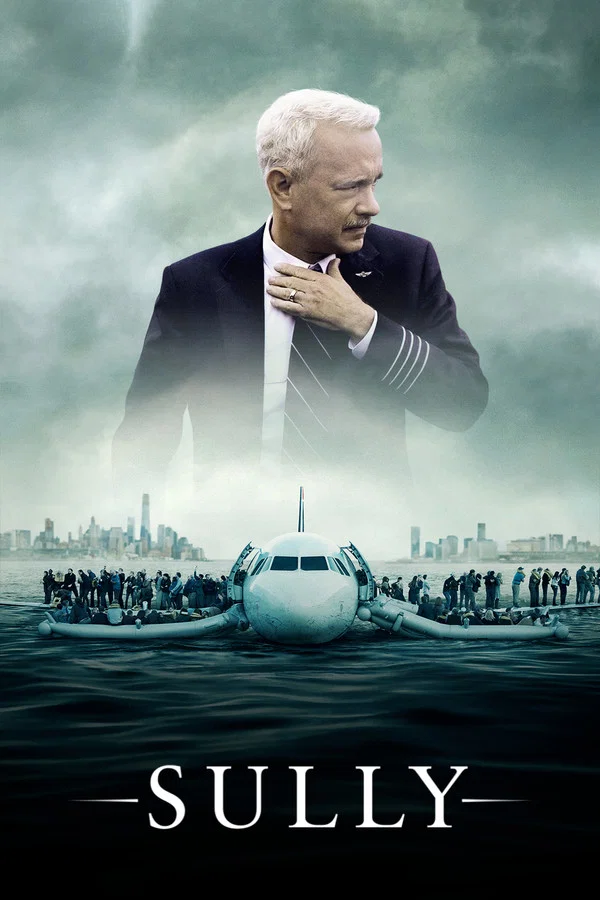
Sully tells the story of Captain Chesley “Sully” Sullenberger and First Officer Jeff Skiles, who safely ditched US Airways Flight 1549 in the Hudson River on January 15, 2009, after a bird strike disabled both engines — saving all 155 people on board in what became known as the “Miracle on the Hudson.”
Dramatizations & Historical Liberties
1. The NTSB investigation and hearing scenes
The film portrays the NTSB investigators as aggressive, skeptical, and quick to blame Sully, creating an adversarial atmosphere with intense pressure. In reality, the investigation was professional, data-driven, and methodical. The confrontational tone and personal attacks shown are heavily dramatized for tension.
2. Sully’s personal doubt and nightmares
The movie shows Sully experiencing intense self-doubt, nightmares, and psychological torment in the days and weeks after the incident. While he did reflect on the event and face scrutiny, the level of personal emotional distress and inner turmoil is significantly amplified for dramatic effect.
3. Simulator recreations
The film depicts multiple simulator sessions where a safe return to LaGuardia appears possible, pressuring Sully. In reality, when realistic human reaction times and conditions were factored in, the simulators ultimately confirmed that ditching in the Hudson was the only viable option.
4. Timeline compression of the investigation
The NTSB investigation, which took several months, is heavily compressed into a much tighter narrative with more immediate pressure and confrontation. The film accelerates the pace and heightens the sense of urgency for cinematic effect.
5. Jeff Skiles’ role
The movie gives First Officer Jeff Skiles a more prominent emotional role and dramatic presence. While Skiles was an excellent co-pilot and contributed professionally, the ultimate decision-making responsibility rested with Sully as captain, and their on-screen dynamic is somewhat heightened for emotional balance.
Related