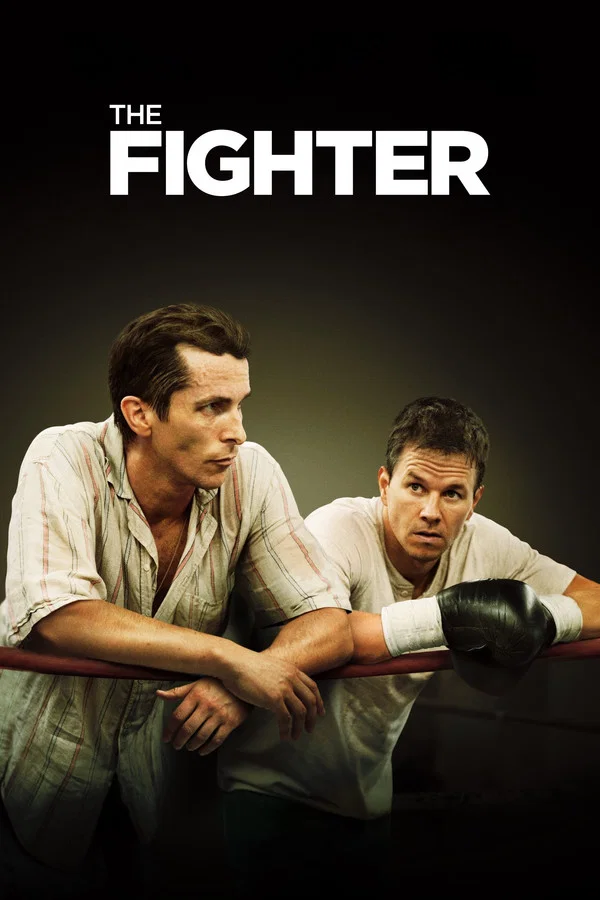
2010 • Mark Wahlberg, Christian Bale
Summary
The Fighter tells the story of Micky Ward’s gritty rise from the tough streets of Lowell, Massachusetts, to becoming a world champion welterweight boxer. The film explores his turbulent journey with the chaotic support — and interference — of his dysfunctional family, particularly his crack-addicted half-brother and former boxer Dicky Eklund, and his strong-willed mother Alice.
Dramatizations & Historical Liberties
1. Alice Ward’s domineering control
The film portrays Alice as an overwhelmingly manipulative and destructive force who constantly interferes in Micky’s career. While she was indeed a strong-willed and sometimes overbearing manager, many of the loud, explosive confrontations and acts of outright sabotage were heightened or combined for dramatic tension.
2. Dicky’s crack addiction
Dicky’s addiction and erratic behavior are depicted with intense, frequent, and highly public meltdowns. While his struggles with crack were very real and severe, the film compresses the timeline and heightens the chaos and family embarrassment for emotional effect.
3. Micky’s relationship with Charlene
The romance between Micky and Charlene is given a sharper “us against the world” arc with more frequent and explosive clashes with the Ward family. In reality, their relationship developed more gradually amid Micky’s boxing commitments and family pressures.
4. Boxing career struggles
Micky’s path to the world title is portrayed as a much harder, more against-the-odds struggle with more dramatic setbacks than actually occurred. The real Micky Ward was a highly respected, tough journeyman fighter with significant talent before his breakthrough.
5. Portrayal of Micky’s flaws
The film largely presents Micky as a quiet, noble, long-suffering hero. In reality, he had his own significant personal issues, including anger problems and complicity in some of the family dysfunction, which the movie noticeably downplays to keep him sympathetic.