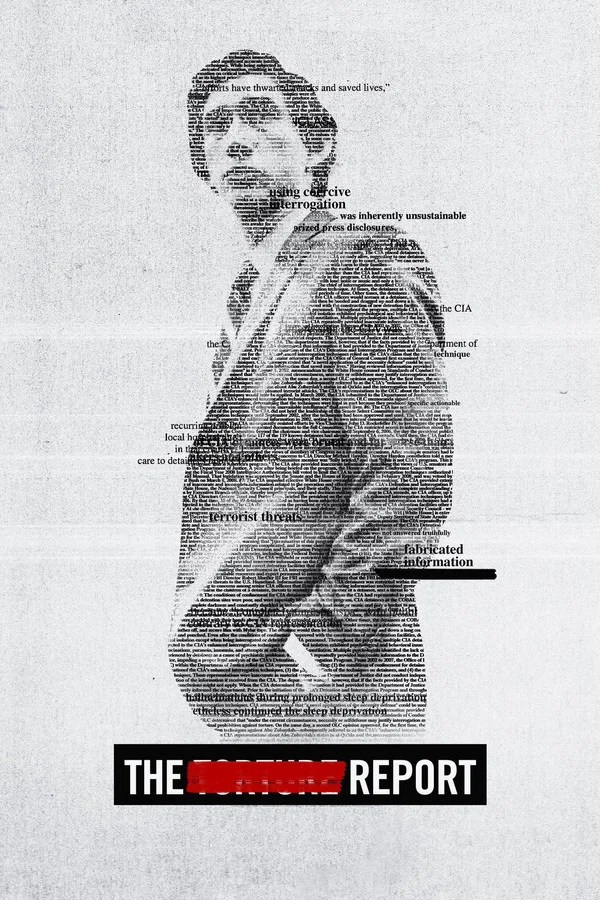
2019 • Adam Driver
Summary
The Report tells the story of Senate staffer Daniel Jones, who led a years-long investigation into the CIA’s post-9/11 detention and interrogation program. As he and his small team dig through millions of classified documents, they uncover disturbing evidence of torture, deception, and institutional cover-ups, eventually producing the explosive 6,700-page Senate Intelligence Committee report.
Dramatizations & Historical Liberties
1. Major compression of a 5½-year investigation
The film condenses years of monotonous document review, legal battles, internal obstructions, and bureaucratic delays into a much shorter, faster-paced narrative. In reality, Daniel Jones and his small team spent over five and a half years methodically reviewing millions of classified documents in a slow, grinding process that lasted from 2009 until late 2014.
2. Heightened personal and emotional toll on Daniel Jones
Jones’s exhaustion, isolation, paranoia, and personal sacrifices are significantly dramatized with added emotional breakdowns and high-stakes tension. While the work was extremely stressful and took a real toll, many of the specific personal struggles and dramatic moments shown were heightened or invented for cinematic effect.
3. More adversarial confrontations with the CIA
The film portrays multiple intense, hostile, and emotionally charged confrontations between Jones’s Senate team and senior CIA officials. In reality, while tensions were high, most interactions were far more procedural, legalistic, and bureaucratic — involving carefully worded memos, formal meetings, and institutional pushback rather than the dramatic shouting matches and personal clashes shown on screen.
4. Simplified political negotiations and White House involvement
The complex, multi-year negotiations with the Obama White House, Senate leadership, and intelligence officials are heavily streamlined and dramatized. The real process involved extensive backroom maneuvering, repeated compromises, legal battles over classification, and significant political caution — far more drawn-out and nuanced than the film depicts.
5. CIA computer hacking / server access incident
The CIA’s unauthorized surveillance of the Senate team’s computers is a real event, but the movie significantly heightens the sense of paranoia, urgency, and outright hostility surrounding it. In reality, the incident was more subtle, bureaucratic, and legally complex, with less immediate cinematic confrontation than the film presents.