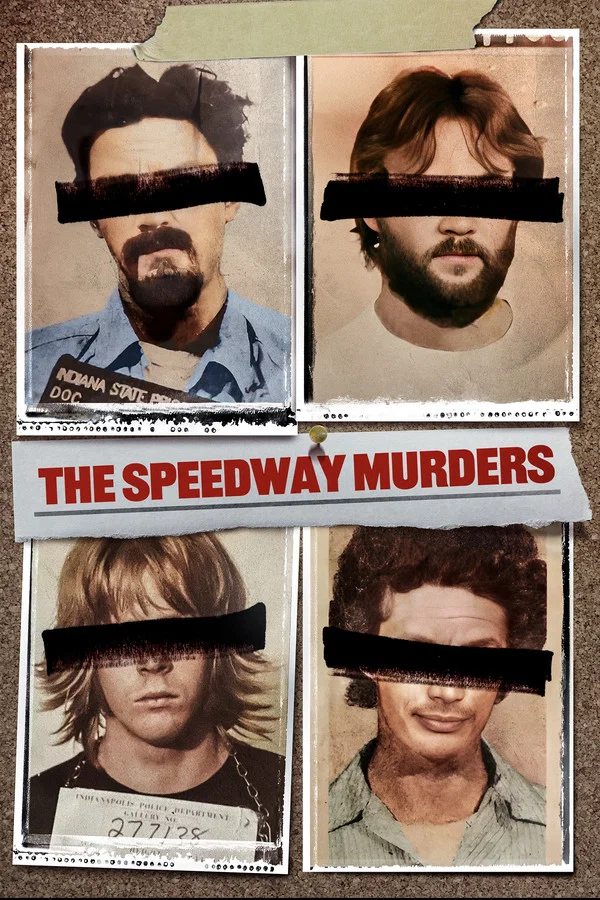
2024 • Ben O'Toole, Callan Mulvey
Summary
The Speedway Murders tells the story of one of Australia’s most notorious gangland killings. On 19 March 2007, brothers Jason Moran and Pasquale Barbaro were gunned down in broad daylight at the Cross Keys Hotel in Melbourne in front of children. The film explores the escalating underworld war between rival crime families that led to the murders and the violent cycle of revenge that followed.
Dramatizations & Historical Liberties
1. The Cross Keys Hotel double murder
The film dramatizes the daylight execution of Jason Moran and Pasquale Barbaro as a highly tense, drawn-out sequence with slow-motion violence and chaotic aftermath. In reality, the hit was swift, clinical, and over in seconds — two gunmen walked in, fired multiple shots at close range, and quickly fled the scene with minimal immediate chaos or dramatic resistance.
2. The escalating family revenge cycle
The movie condenses the long and bloody Melbourne gangland war into a tighter, more personal “eye-for-an-eye” cycle of revenge between a few key families. In reality, the conflict spanned over a decade and involved dozens of murders, shifting alliances, opportunistic betrayals, and complex financial disputes across multiple criminal networks — far messier and less linear than the film portrays.
3. Police corruption and surveillance failures
The film suggests widespread, overt police complicity and dramatic cover-ups with shady meetings and clear obstruction. While serious issues existed within the Victorian Police (including the later Purana Task Force investigation into corruption), the real situation was more institutional and bureaucratic — involving leaked information, poor coordination, and systemic failures rather than the cinematic levels of deliberate sabotage shown.
4. The role and scale of the amphetamine trade
The movie depicts the “speed” empire as a highly organized, centralized criminal enterprise with large-scale operations and clear leadership. In reality, the trade was extremely fragmented, volatile, and opportunistic, with constant power struggles, double-crosses, and smaller crews fighting for territory in a chaotic underworld environment.
5. Character composites and personal motivations
Several key figures are composites or have their personalities and motivations simplified into clearer heroes, villains, or tragic characters. The real individuals operated in a much greyer moral landscape driven by self-interest, paranoia, greed, and fluid loyalties that constantly shifted depending on money, power, and survival.