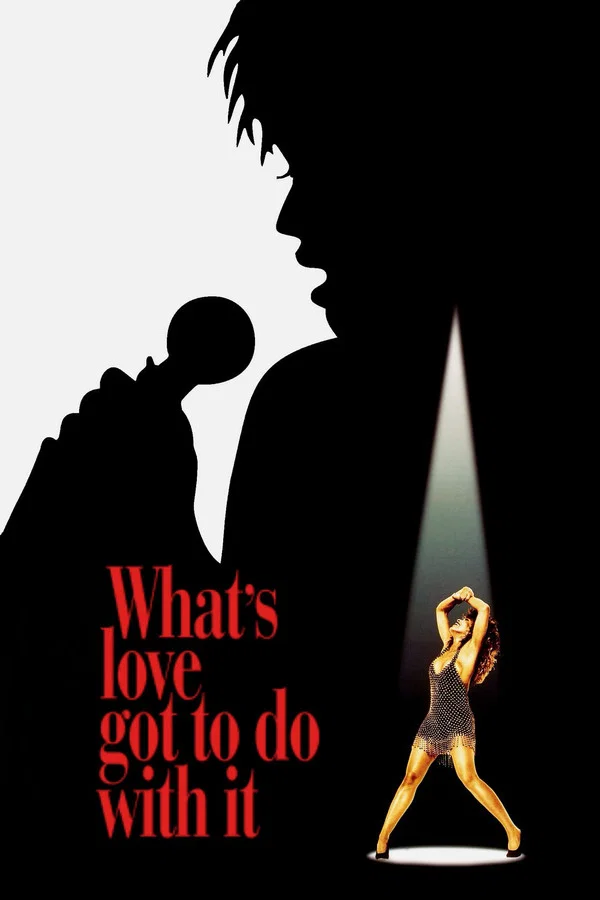
1993 • Angela Bassett, Laurence Fishburne
Summary
What's Love Got to Do with It chronicles Tina Turner’s rise from rural Tennessee to international stardom alongside her husband Ike Turner, and her eventual escape from years of physical and emotional abuse.
Dramatizations & Historical Liberties
1. Frequency and severity of Ike’s abuse
The film depicts near-constant beatings and rapes throughout their marriage. In reality, while the abuse was severe and well-documented, Turner stated in her autobiography and later in interviews that the movie intensified both the frequency and the graphic nature of the violence.
2. Ike’s musical contributions
The movie portrays Ike almost exclusively as a violent manager who exploited Tina. In reality, Ike was a highly skilled guitarist, pianist, and producer who wrote or co-wrote many of their biggest hits (including “A Fool in Love” and “Proud Mary”), arranged the music, and created the distinctive “Ike & Tina Turner Revue” sound.
3. Discovery and entry into the band
The film shows a young Anna Mae Bullock being “discovered” singing in a club by Ike. In reality, she had already been singing backup with Ike’s band The Kings of Rhythm for some time before she took lead vocals on “A Fool in Love” in 1960.
4. Ike's control over Tina's image
The film portrays Ike as forcing Tina into a hyper-sexualized stage persona against her will. In reality, Tina actively participated in developing the “Ike & Tina Turner Revue” image and has said she enjoyed performing, even while enduring the abuse.
5. Triumphant resolution
The film ends with Tina’s 1980s comeback feeling like a complete personal and professional victory. In reality, after leaving Ike in 1976 she faced years of financial hardship, legal battles over royalties, and continued emotional trauma long into the 80s.