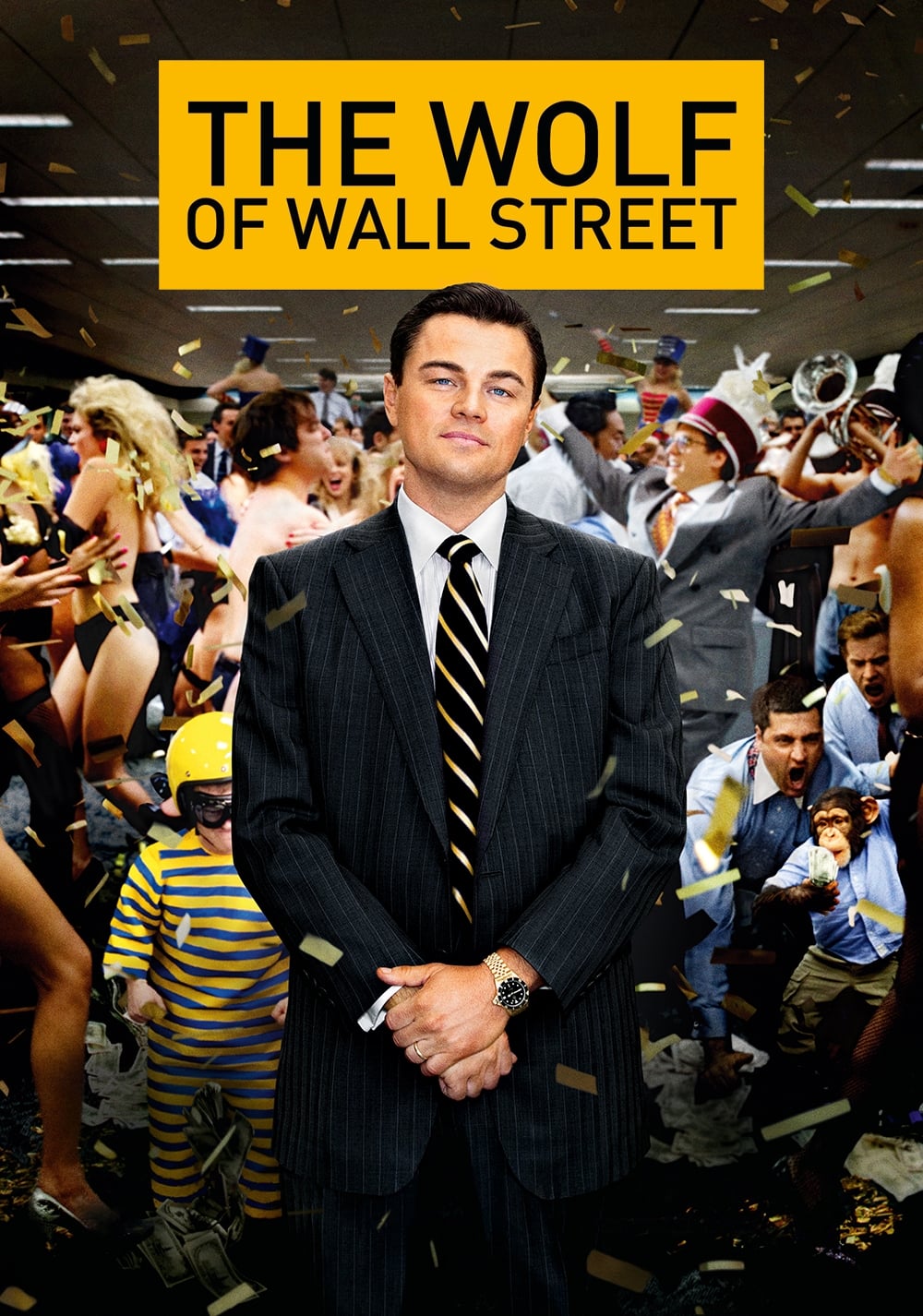
2013 • Leonardo DiCaprio, Jonah Hill
Summary
The Wolf of Wall Street chronicles Jordan Belfort’s meteoric rise and spectacular fall as the founder of Stratton Oakmont, a fraudulent brokerage firm that scammed investors out of hundreds of millions through pump-and-dump schemes. The film captures the obscene excess, drug culture, and moral decay of 1990s Wall Street.
Dramatizations & Historical Liberties
1. Dwarf-tossing incident
One of the film’s most notorious scenes — tossing little people at a company party — is based on a real event but was greatly exaggerated in scale, frequency, and brutality. The real incident was far less elaborate and occurred only once, according to multiple former employees and court records.
2. The “Sell me this pen” scene
The film presents the iconic “Sell me this pen” moment as a brilliant example of Jordan Belfort’s sales genius. In reality, this specific scene never happened. Belfort has admitted it was invented for the movie to dramatize his charisma and persuasive abilities.
3. Extreme debauchery and drug use
The movie significantly amplifies the frequency, scale, and cinematic spectacle of drug use, prostitution, and office parties. While Stratton Oakmont was undoubtedly a hedonistic environment, many of the most memorable sequences (including the Quaalude overdose and Lamborghini crash) were heavily exaggerated or combined for comedic and visual impact.
4. Portrayal of Jordan Belfort’s charm and remorse
The film often presents Belfort as a charismatic, almost likable anti-hero who shows moments of genuine regret. In reality, Belfort’s fraud was more calculated and destructive, and his post-conviction behavior (including continued scams and paid motivational speaking) shows far less sincere remorse than the movie implies.
5. Overall framing as a wild success story
The movie frames Stratton Oakmont as a wildly successful firm that was ultimately brought down by the system. In truth, the firm was a massive boiler-room fraud operation that defrauded thousands of investors out of hundreds of millions of dollars. The film downplays the real human cost of the victims while turning the perpetrators’ crimes into entertaining spectacle.