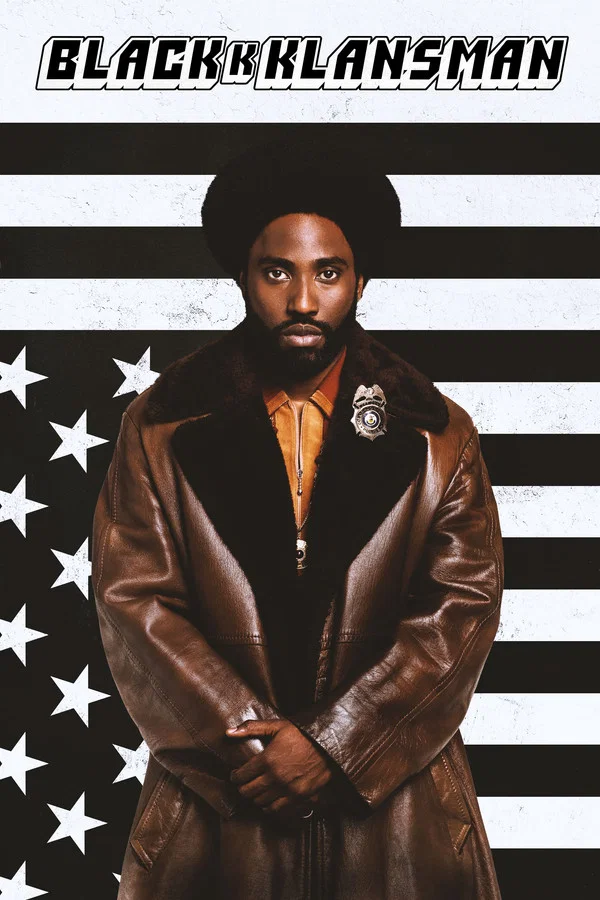
2018 • John David Washington, Adam Driver
Summary
BlacKkKlansman follows Ron Stallworth, the first Black detective in Colorado Springs, who infiltrates the Ku Klux Klan by phone while his white Jewish partner Flip Zimmerman attends meetings in person — exposing the Klan’s shocking ties to police and politics.
Dramatizations & Historical Liberties
1. The bombing plot and dramatic climax
The film dramatizes the final planned bombing and police intervention as a tense, last-minute climax. In reality, the operation was the result of slower, more methodical intelligence work, long-term surveillance, and coordinated law enforcement efforts over time.
2. Heightened public confrontations and David Duke visit
Several tense public scenes and the timing of David Duke’s visit are compressed and dramatized for stronger cinematic impact. In reality, these occurrences unfolded more gradually over time, with less immediate confrontation.
3. Flip Zimmerman’s identity crisis
The film intensifies Flip’s internal conflict about posing as a white supremacist while being Jewish. While the tension existed, the emotional depth and specific conversations are amplified for dramatic effect.
4. Portrayal of the Colorado Springs Police Department
The movie depicts more overt internal racism and bureaucratic resistance. While prejudice existed, the level of obstruction and hostility is heightened for stronger dramatic contrast.
5. Ron Stallworth as the sole driving force
The film balances Ron and Flip, but in reality Ron Stallworth was the primary architect who conceived and ran the entire operation from the phone side for the vast majority of the investigation.
Related