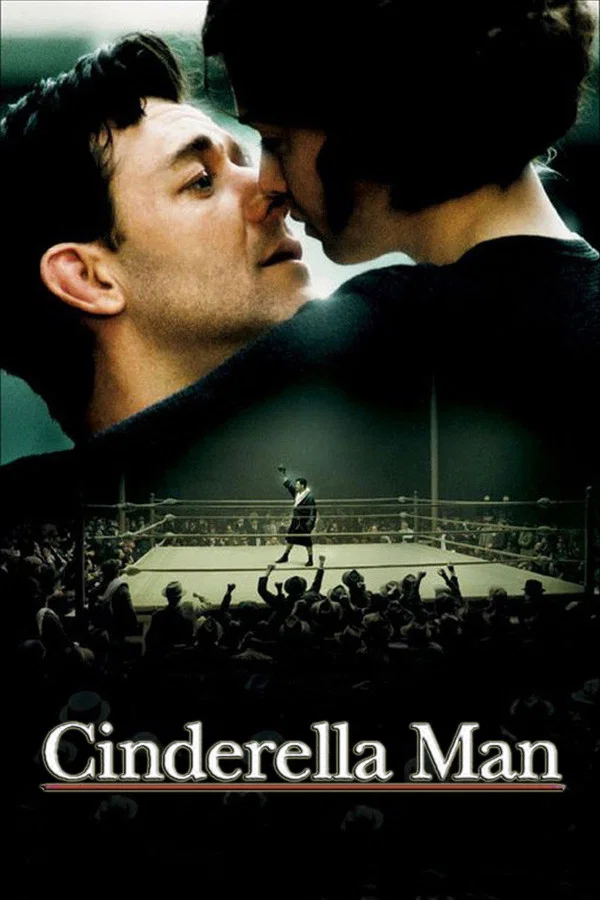
2005 • Russell Crowe, Renée Zellweger
Summary
Cinderella Man tells the remarkable true story of James J. Braddock, a promising heavyweight boxer whose career was shattered by the Great Depression. After breaking his hand and losing his boxing license, Braddock worked on the docks to feed his family, only to stage one of the most inspiring comebacks in sports history by winning the heavyweight championship against the heavily favored and dangerous Max Baer in 1935.
Dramatizations & Historical Liberties
1. Portrayal of Max Baer
The movie portrays Max Baer as a cruel, arrogant villain who mocked Braddock and gloated about killing previous opponents. In reality, Baer was a flamboyant showman but not malicious. He was haunted by the deaths of Frankie Campbell and Ernie Schaaf and expressed genuine concern for Braddock’s safety before the fight. The movie exaggerates his villainy to heighten the underdog drama.
2. Severity of Financial Hardship
The film depicts the Braddock family’s hardship through electricity shutoffs, near-eviction, children going hungry, and the emotional scene where Braddock begs boxing officials for money with his “cap in hand.” While the Braddocks did face real financial struggles and received government relief during the Great Depression, the movie significantly amplifies these crises and invents the humiliating begging scene for dramatic effect to intensify the sense of desperation and shame.
3. Relationship with Joe Gould
The movie portrays a close, almost fatherly bond between James Braddock and his manager Joe Gould. In reality, their relationship was primarily professional. While Gould was genuinely loyal and supportive during Braddock’s career, the movie romanticizes their personal connection and exaggerates the emotional intimacy between them.
Related